September 30, 2026
Commercial refrigeration is an integral component of numerous industries, from restaurants and supermarkets to pharmaceuticals and logistics companies. These systems are the backbone of operations that deal with perishable goods, ensuring items remain within safe temperature ranges. Downtime in these systems can lead to catastrophic consequences, impacting everything from finances and brand reputation to regulatory compliance and environmental goals. Therefore, businesses must prioritize maintaining uninterrupted refrigeration operations at all costs. This article discusses several ways services from a commercial refrigeration company can improve your bottom line.
1. Financial Implications of Refrigeration Downtime
1.1 Loss of Perishable Goods
Refrigeration downtime results in the spoilage of perishable goods, leading to significant financial losses. Businesses in the food and beverage sectors face immediate impacts as unsellable products must be discarded. The loss extends beyond immediate inventory as future sales are affected by diminished customer trust. Restaurants may lose entire meal components, while supermarkets could see empty shelves, both of which detract from potential revenue. Protecting perishable stock remains a driving reason for maintaining reliable refrigeration systems.
1.2 Increase in Operational Costs
Unplanned downtime leads to unforeseen expenses, including emergency repairs and increased energy consumption. When units falter, quick-fix solutions might temporarily repair problems but not without inflating costs significantly. Additionally, inefficient systems draw more power during malfunction periods, escalating utility bills. As immediate repairs often require expedited services, costs for labor and parts surge. Preserving operational efficiency mandates regular maintenance, precluding unplanned breakdowns that distort financial forecasts.
1.3 Negative Impact on Profit Margins
Commercial refrigeration downtimes erode profit margins, affecting a business's financial health. As operational costs escalate and spoilage rates climb, profitability declines directly. Moreover, interrupted sales cycles and loss of customers exacerbate the impact on bottom lines. Consistent refrigeration ensures product availability, maintaining revenue streams crucial for sustaining profitability. Ultimately, a reliable refrigeration system mitigates profit erosion, sustaining financial performance over time.
1.4 Insurance and Liability Claims
Equipment malfunctions elevate risks of insurance claims and liability issues for businesses. Downtime can increase premiums or result in costly claims if spoilage leads to legal disputes or health issues among customers. Insurance providers consider consistent downtime a risk factor, which can impose additional fines or policy changes. Companies, therefore, need to guarantee that their refrigeration units operate optimally to prevent financial liabilities. Such diligence ensures robust insurance protection and minimizes exposure to legal actions.
2. Impact on Customer Satisfaction and Brand Reputation
2.1 Customer Dissatisfaction Due to Unavailable Products
Refrigeration downtime can severely diminish product availability, leading to unsatisfied customers. When regular items are missing from shelves or menus, consumers may seek alternatives elsewhere, damaging sales. Customers expect consistency, and any deviations in product availability erode trust and future purchasing confidence. Businesses reliant on repeat sales can't afford to disrupt product access due to refrigeration failures. Ensuring consistent temperature control is imperative for maintaining product reliability and customer satisfaction.
2.2 Damage to Brand Credibility
Frequent downtimes in refrigeration systems can tarnish a brand's credibility and public image. Customers perceive frequent service disruptions as a reflection of poor management or operational inefficiency. Ethical brands understand the stakes, maintaining high-functioning refrigeration to uphold their market standing. Thus, operational diligence helps preserve brand integrity against the adverse effects of downtime.
2.3 Loss of Long-term Customers
Frequent refrigeration-related disruptions can trigger customer shifts to competitors, leading to long-term losses. Businesses that reliably meet customer needs retain clientele even in highly competitive markets. Conversely, issues with product availability free loyal customers to explore competitor offerings. The cost of losing established customers extends beyond immediate sales loss, affecting future revenue streams. Firms committed to retention invest in reliable equipment maintenance, preemptively safeguarding against customer migratory patterns.
3. Regulatory Compliance and Penalties
3.1 Understanding Industry Regulations
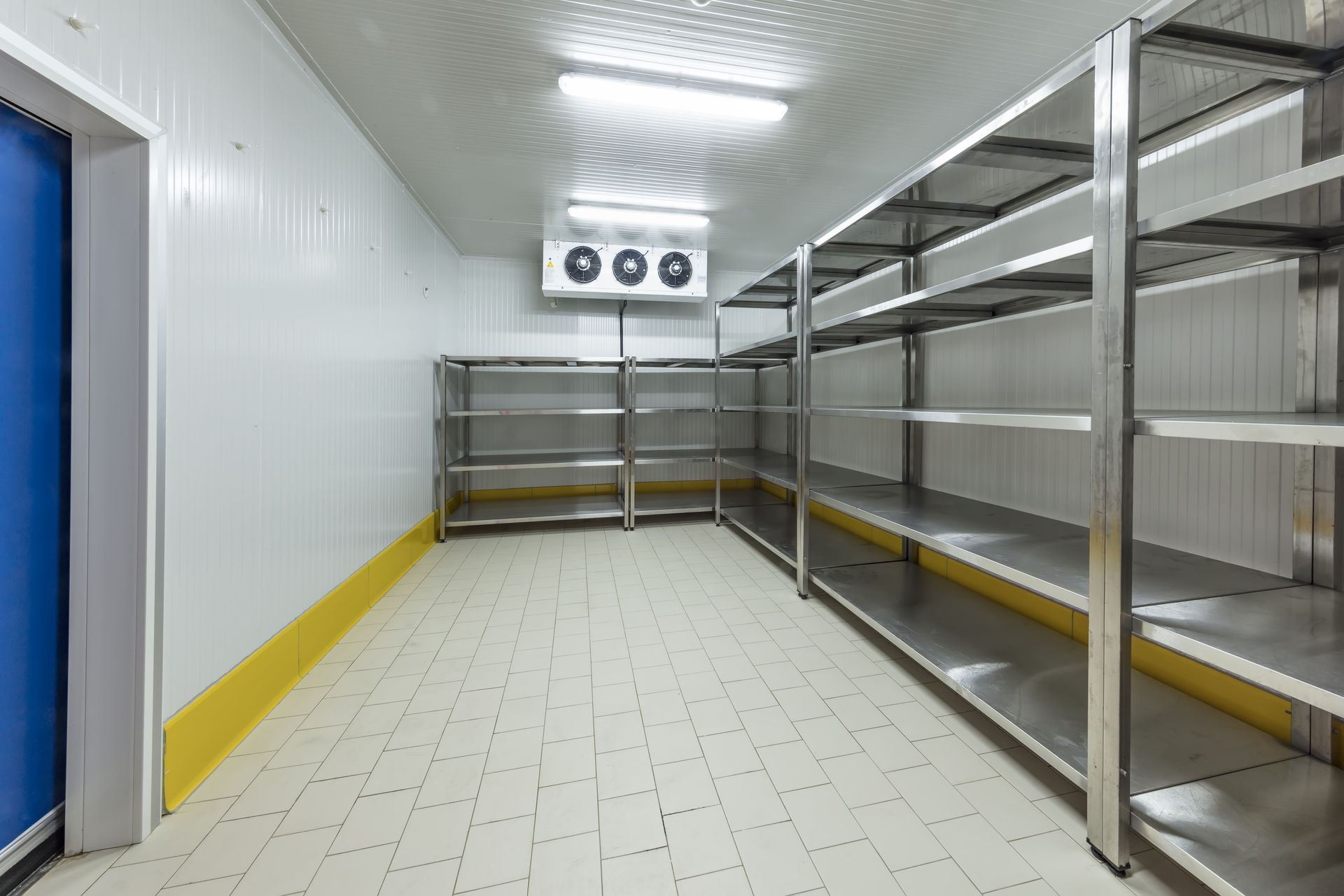
Compliance with industry-specific refrigeration regulations is non-negotiable for businesses handling perishable goods. Standards mandate precise temperature controls to maintain the integrity and safety of products stored. According to SkillCat, walk-in coolers are built to maintain temperatures between 0°C and 13°C, while walk-in freezers operate at 0°C or lower. Adherence to such specifications prevents regulatory infractions that could harm business operations. Organizations must stay apprised of evolving regulations, ensuring refrigeration systems meet all outlined requirements.
3.2 Consequences of Non-compliance
Failing to comply with refrigeration standards exposes businesses to fines, penalties, and potential legal action. Regulatory bodies impose strict sanctions for violations, aimed at safeguarding public safety and maintaining market integrity. Businesses can face legal action if consumer safety is compromised due to suboptimal refrigeration practices. Non-compliance can also attract negative publicity, further damaging a company's reputation. Investing in maintaining comprehensive compliance mitigates these risks, fostering operational security and public trust.
3.3 Inspection and Safety Protocols
Rigorous inspection regimes and safety protocols are necessary to maintain compliance and operational efficacy. Businesses must conduct regular checks to ensure refrigeration equipment meets industry standards and regulatory requirements. Documentation of maintenance activities and system performance is crucial for proving compliance during audits. These protocols not only protect operations from regulatory repercussions but enhance system longevity by identifying potential issues early. An unwavering commitment to internal and external standards safeguards businesses against compliance-related disruptions.
3.4 Record Keeping and Documentation
Maintaining detailed records of refrigeration performance and maintenance activities is essential for compliance. Accurate documentation demonstrates adherence to regulatory requirements, providing proof during assessments and inspections. Records also offer insights into system performance trends, aiding in predictive maintenance and operational planning. Organizations with robust documentation practices are better prepared to anticipate and rectify potential compliance infractions. The implementation of structured record-keeping protocols is a strategic element in ensuring operational continuity.
4. Supply Chain Disruptions
4.1 Delays in Product Delivery
Refrigeration downtimes can lead to disruptions and delays within the supply chain, affecting timely product delivery. When equipment fails, businesses struggle to maintain cold chain systems crucial for preserving product integrity during transit. Delays can result in spoiled products reaching their destinations, compounding operational inefficiencies and customer dissatisfaction. On-time delivery remains a cornerstone of strategic supply chain management, essential for meeting market demands and customer expectations. Maintaining optimal refrigeration conditions ensures businesses can continue to meet critical distribution timelines.
4.2 Impact on Inventory Management
Refrigeration system failures disrupt inventory management, causing challenges in maintaining stock levels. Sudden malfunctions necessitate rapid adjustments in inventory ordering and sales strategies. With diminished refrigeration capacity, businesses may hesitate to accept full deliveries, risking inventory shortages or overflows. Efficient inventory management requires stable refrigeration to ensure accurate stock forecasting and fulfillment. The operational certainty offered by reliable equipment enables strategic inventory control, optimizing efficiency across supply chain operations.
4.3 Interruption in Supplier Relationships
Frequent refrigeration issues can strain relationships with suppliers, critical partners in the supply chain ecosystem. Disruptions complicate order coordination, impacting both inbound and outbound logistics, potentially resulting in missed delivery windows. Businesses that consistently face downtimes may lose favor with suppliers, affecting preferential treatment and contract opportunities. By overcoming refrigeration challenges, businesses strengthen supply chain relationships, securing cooperation and strategic advantages. Enduring partnerships are built on reliability, further underscoring the importance of robust refrigeration systems.
4.4 Operational Coordination Challenges
Refrigeration downtimes create ripple effects across departmental operations, complicating coordination efforts. Logistical inefficiencies are exacerbated as contingencies divert staff resources and focus away from strategic objectives. As each department contends with downtime impacts, overall business productivity can falter, delaying projects and initiatives. Operational momentum hinges on efficient cross-department collaboration, requiring reliable refrigeration to maintain. The stabilization of critical infrastructure ensures focused efforts on growth and innovation, rather than crisis management.
The vitality of commercial refrigeration systems across various industries cannot be understated. From preserving financial stability and safeguarding brand reputation to ensuring regulatory adherence and minimizing environmental impacts, businesses dedicated to maintaining these systems as a strategic priority will effectively safeguard against expansive financial losses, compliance challenges, and workforce inefficiencies. As industries evolve, sustaining robust refrigeration operations underscores a commitment to long-term sustainability and market leadership. If your business is looking for a reliable
commercial refrigeration company, reach out to Refrigeration Plus LLC today!