August 26, 2026
Commercial HVAC systems play a major role in maintaining comfortable, productive, and safe indoor environments. When heating and cooling equipment is not managed properly, businesses may face higher energy costs, uneven temperatures, unexpected breakdowns, and interruptions that affect employees or customers. Many of these problems develop gradually and can be reduced through consistent maintenance, careful monitoring, and timely repairs. Working with a commercial HVAC repair company can help businesses identify developing concerns before they interfere with daily operations. Understanding the most common management mistakes can also make it easier to create a maintenance strategy that supports dependable system performance and helps protect the investment made in commercial heating and cooling equipment.
1. Ignoring Routine Maintenance Requirements
One of the most common mistakes businesses make is waiting until something goes wrong before paying attention to the HVAC system. Commercial equipment often operates for long periods and serves larger spaces than residential systems, which means components can experience substantial wear. Filters become dirty, belts loosen, coils collect debris, and moving parts may need inspection or adjustment. When these maintenance needs are ignored, the system may have to work harder to maintain the desired indoor temperature.
According to SkillCat, commercial HVAC systems generally require maintenance every three to six months, whereas residential systems typically need annual servicing. The appropriate schedule can vary depending on system type, operating hours, building conditions, and manufacturer recommendations. A commercial HVAC repair company can help establish a maintenance schedule that reflects the demands placed on the equipment. Regular attention can make it easier to identify worn parts, airflow issues, and other concerns before they develop into larger problems.
2. Delaying Necessary Repairs Too Long
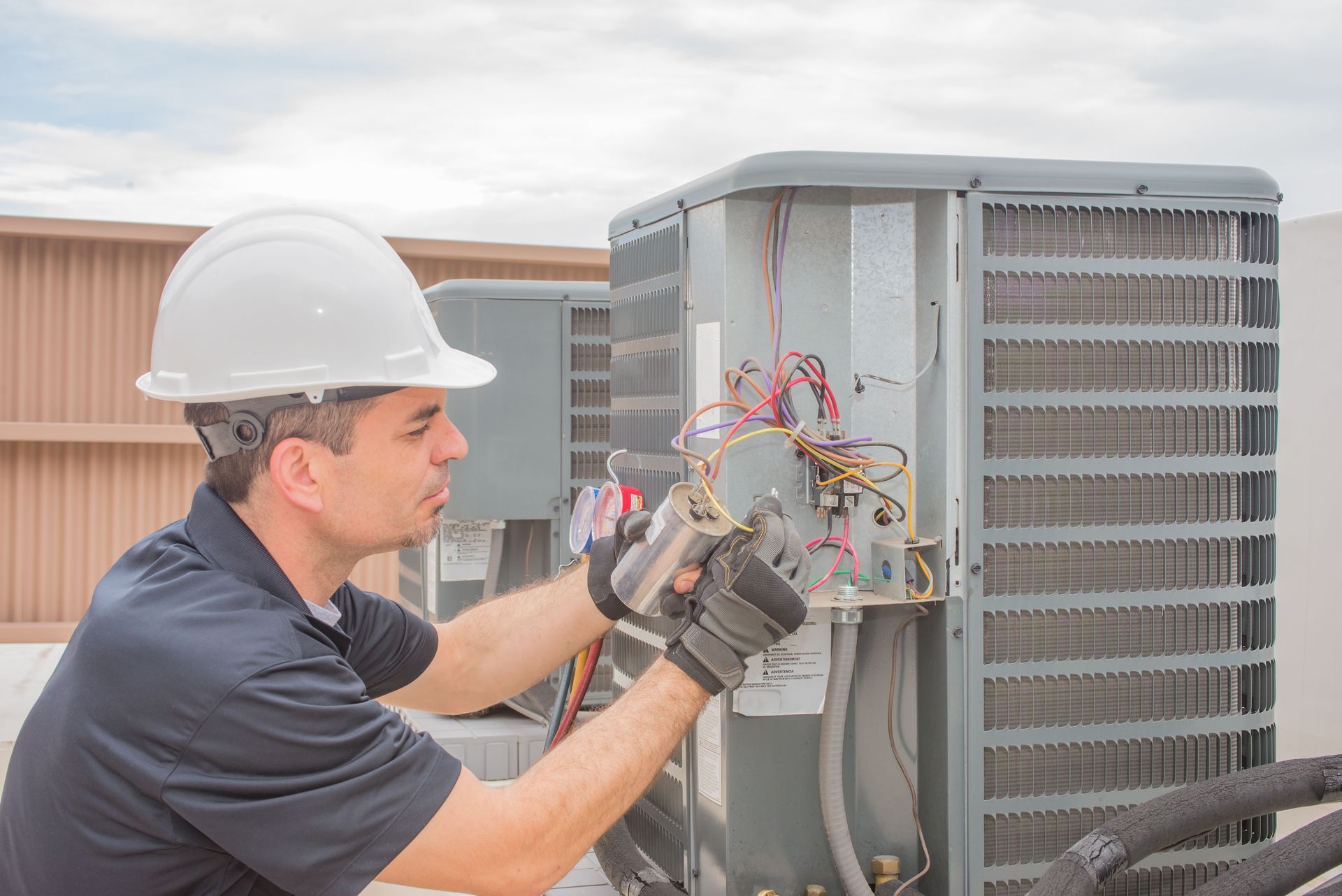
Small HVAC problems rarely improve on their own. Unusual noises, inconsistent temperatures, short cycling, reduced airflow, or unexplained increases in energy consumption can indicate that a component is beginning to fail. Continuing to operate the equipment without investigating these signs may place additional stress on nearby parts. A minor repair can become more complicated if the underlying issue causes further wear or contributes to a system shutdown.
Prompt attention can also give businesses more control over scheduling. Emergency failures may occur during busy hours or extreme weather, forcing a company to make quick decisions while employees and customers are uncomfortable. Contacting a commercial HVAC repair company when warning signs first appear can allow technicians to assess the problem before it becomes urgent. Planned repairs are often easier to coordinate with business operations than unexpected breakdowns that require immediate attention.
3. Overlooking Airflow and Filter Problems
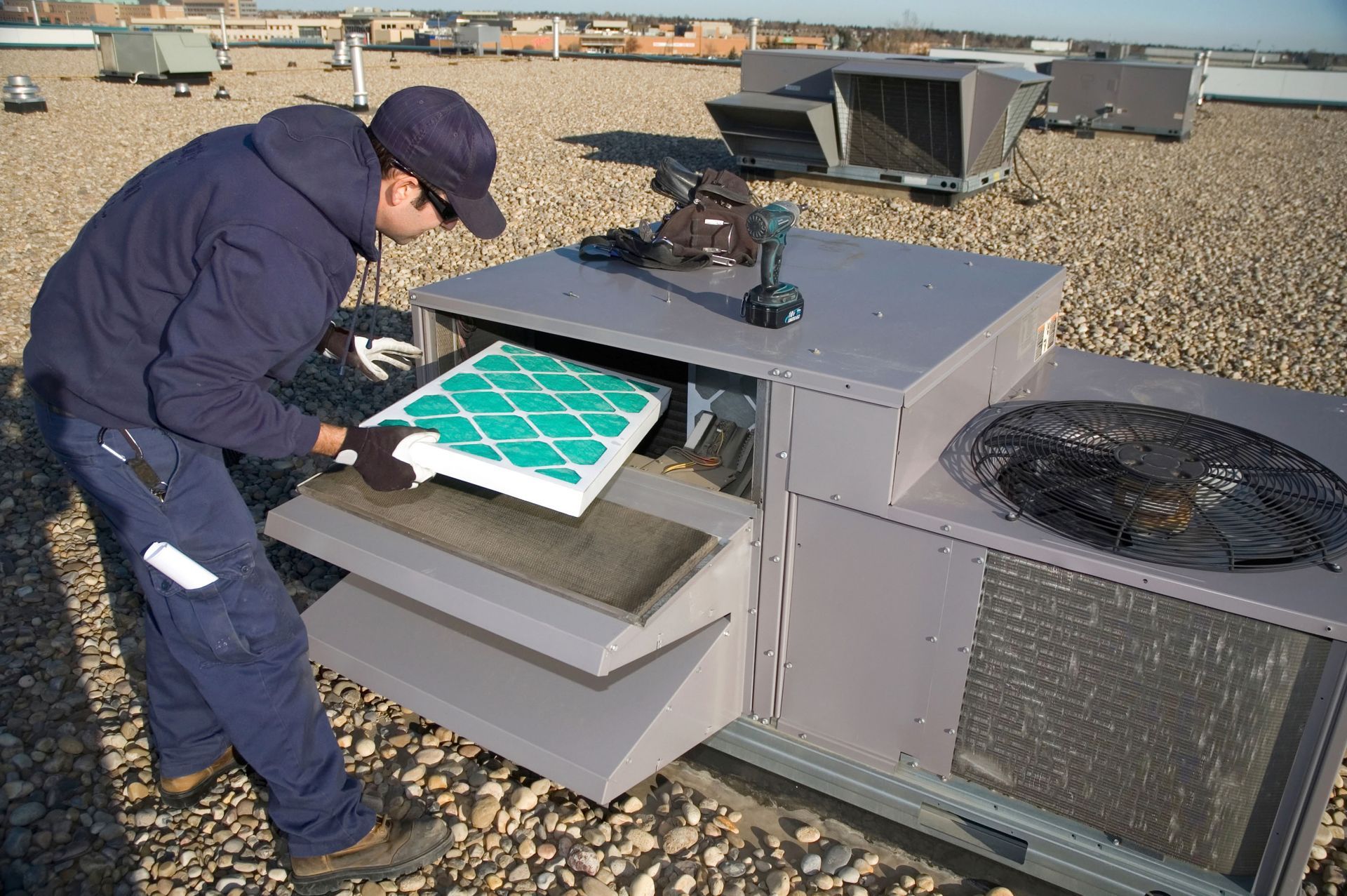
Airflow is essential to efficient HVAC operation. Dirty filters, blocked vents, closed dampers, obstructed returns, and debris around equipment can all restrict the movement of conditioned air. When airflow is limited, some areas of a building may become too warm or too cold while the system continues running in an effort to reach the thermostat setting. This can increase strain on equipment and contribute to inconsistent comfort throughout the property.
Filter maintenance is particularly important because clogged filters can reduce airflow and allow more dust to accumulate within the system. Businesses should follow the recommended filter type and replacement schedule rather than waiting until filters appear completely blocked. A commercial HVAC repair company can also inspect ductwork, blowers, vents, and other components when airflow problems continue despite routine filter changes. Addressing restrictions can help the system distribute conditioned air more effectively.
4. Neglecting Thermostat and Control Settings
Even properly maintained HVAC equipment can perform inefficiently when controls are not configured appropriately. Thermostats that are placed near direct sunlight, exterior doors, heat-producing equipment, or other unusual temperature sources may not accurately represent conditions throughout the building. Excessive temperature changes throughout the day can also cause equipment to run more frequently than necessary. Businesses should review schedules and settings to make sure they reflect occupancy patterns and actual operational needs.
Modern control systems may offer scheduling, zoning, monitoring, and automation features that help businesses manage indoor conditions more consistently. However, these systems still require proper setup and occasional adjustment. If temperatures vary significantly between areas or the HVAC equipment behaves unpredictably, a commercial HVAC repair company can evaluate whether controls, sensors, thermostats, or mechanical components are contributing to the problem. Proper controls can support comfort while avoiding unnecessary system operation.
5. Failing to Track System Performance
Businesses sometimes treat HVAC performance as acceptable as long as the building remains reasonably comfortable. This approach can allow gradual changes to go unnoticed. Rising energy bills, longer operating cycles, more frequent service calls, and recurring temperature complaints can all provide useful information about the condition of the system. Keeping records of these patterns can help facility managers recognize when performance is beginning to decline.
Maintenance and repair records are also useful when deciding whether aging equipment should continue to be repaired or replaced. Documentation can show which components have failed repeatedly, how often service is required, and whether operating costs are increasing. A commercial HVAC repair company can use this information alongside an inspection to help identify trends. Reviewing system history gives businesses a more complete picture than evaluating each repair as an isolated event.
6. Forgetting About Indoor Air Quality
Temperature control is only one part of HVAC management. Ventilation, filtration, humidity, and cleanliness can all affect indoor air quality. Poorly maintained equipment may circulate dust and other particles, while inadequate ventilation can make indoor spaces feel stale or uncomfortable. Excess humidity may create additional concerns, particularly in areas where moisture regularly accumulates. Businesses should consider how the HVAC system contributes to the overall indoor environment rather than focusing only on heating and cooling.
Regular inspections can help identify dirty coils, clogged filters, drainage problems, or ventilation concerns that may affect air quality. Different commercial environments may also have different needs depending on occupancy, activities, and building layout. A commercial HVAC repair company can inspect relevant components and recommend maintenance or repairs based on the condition of the system. Keeping equipment clean and functioning properly can support more consistent comfort throughout the building.
7. Postponing Replacement Planning
No commercial HVAC system lasts forever, and waiting until equipment fails completely can make replacement more disruptive. Older systems may require increasingly frequent repairs, operate less efficiently, or struggle to maintain consistent temperatures. Businesses that monitor equipment age and condition can begin planning before failure becomes unavoidable. Advance planning allows time to review options, budget for the project, and consider how installation may affect normal operations.
Replacement decisions should consider repair history, operating performance, energy use, system age, and the needs of the building. Continuing to repair an older unit may make sense in some situations, while replacement may offer better long-term value in others. A commercial HVAC repair company can help businesses assess existing equipment and explain when continued repairs may no longer be practical. Planning ahead can reduce the pressure associated with making a major equipment decision during an emergency.
Managing a commercial HVAC system effectively requires more than reacting when heating or cooling stops working. Routine maintenance, timely repairs, proper airflow, appropriate control settings, performance tracking, attention to indoor air quality, and advance replacement planning can all contribute to more reliable operation. Avoiding these common mistakes helps businesses reduce unnecessary strain on equipment and make more informed decisions about maintenance costs and future needs. A proactive approach can also reduce disruptions that affect employees, customers, and daily operations. If your business needs help maintaining, repairing, or evaluating its commercial HVAC equipment, contact Refrigeration Plus LLC.