May 28, 2026
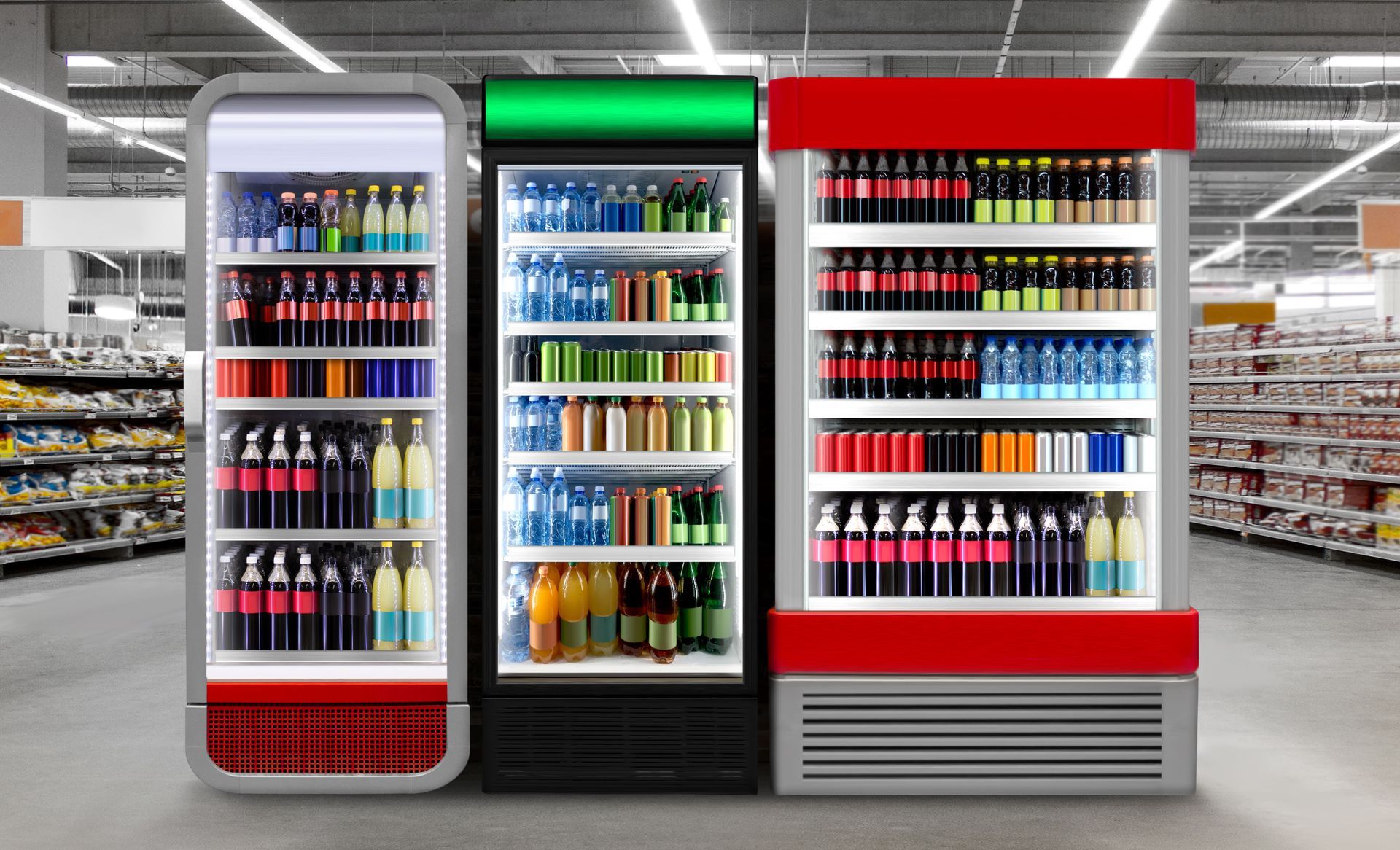
Refrigerated vending machines are rapidly becoming a standard feature in modern retail ecosystems, especially in environments where convenience and speed are more important than ever. These machines allow consumers to access fresh, chilled, and perishable goods without the need for staffed checkout systems or traditional storefronts. As this shift accelerates, businesses are increasingly relying on commercial refrigeration service to ensure these machines operate consistently and maintain food safety standards.
The appeal of these systems lies in their flexibility. They can be installed in offices, hospitals, schools, transportation hubs, gyms, and residential complexes, essentially anywhere there is foot traffic and demand for quick access to food and beverages. Behind the scenes, commercial refrigeration service providers play a crucial role in keeping these machines operational by ensuring temperature stability, energy efficiency, and mechanical reliability.
What Drives The Popularity Of Refrigerated Vending Machines?
A major factor driving demand is the shift in consumer expectations toward 24/7 accessibility. People are no longer confined to traditional meal times or store hours, and they increasingly expect fresh food options at any time of day. Refrigerated vending machines meet this demand by offering ready-to-eat meals, chilled drinks, and healthy alternatives in a fully automated format. Maintaining that reliability requires consistent commercial refrigeration service to prevent downtime and product spoilage.
Urbanization and changing work environments have also contributed to this trend. As more people work irregular hours or in hybrid settings, demand for on-site food access has increased significantly. Businesses are responding by deploying vending infrastructure that can operate without staff while still maintaining quality. This is where commercial refrigeration service becomes essential, ensuring cooling systems remain calibrated even under heavy usage.
Market data also highlights this rapid growth. According to Future Market Insights Inc, the refrigerated vending machine market is estimated to be valued at USD 7.0 billion in 2025 and is projected to reach USD 14.4 billion by 2035. This sharp increase reflects broader adoption across multiple industries and the growing importance of automated retail solutions supported by dependable commercial refrigeration service.
Another key driver is health consciousness. Consumers are moving away from traditional vending snacks and toward fresh, refrigerated options. This shift has expanded the range of products available, which in turn increases the need for precise temperature control maintained through professional commercial refrigeration service.
How Do Refrigerated Vending Machines Benefit Businesses?
For businesses, refrigerated vending machines create a low-overhead revenue channel that can operate continuously without staffing costs. This makes them especially attractive for facility managers and operators looking to maximize space efficiency. Unlike traditional retail models, these machines require minimal physical footprint while still generating consistent sales. However, maintaining that efficiency depends heavily on ongoing commercial refrigeration service to avoid costly breakdowns.
Another advantage is scalability. Businesses can deploy multiple machines across different locations without the logistical complexity of managing full retail outlets. This distributed model allows for flexible expansion into new markets, provided each unit receives proper commercial refrigeration service to maintain consistent performance standards.
These machines also help improve customer experience by reducing wait times and increasing product availability. In high-traffic environments such as airports or hospitals, this can significantly improve satisfaction. The reliability of that experience depends on preventative commercial refrigeration service that ensures machines are always stocked, cooled, and operational.
Additionally, businesses benefit from real-time data analytics. Many modern machines track sales patterns and inventory levels, allowing operators to adjust product offerings based on demand. While this improves profitability, the physical cooling systems still rely on commercial refrigeration service to support uninterrupted operation.
What Types Of Products Can Be Offered In Refrigerated Vending Machines?
Refrigerated vending machines have evolved far beyond soda and candy. Today, they can store and dispense a wide variety of perishable goods, including fresh sandwiches, salads, dairy products, fruit bowls, sushi, protein snacks, and prepared meals. This expanded product range has significantly increased their commercial value and market adoption.
In addition to standard food items, many machines now support premium offerings such as organic meals, plant-based alternatives, and specialty diet foods. These products often require stricter temperature control, making commercial refrigeration service even more important to prevent spoilage and maintain product integrity.
Some operators are also experimenting with pharmacy-related items, such as over-the-counter medications and wellness products, in refrigerated formats where temperature stability is critical. In these cases, commercial refrigeration service ensures that regulatory compliance standards are met and that sensitive products remain safe for consumption.
The diversity of goods also increases operational complexity. Different products may require slightly different temperature zones or humidity controls, which places additional strain on refrigeration systems. Regular commercial refrigeration service helps balance these requirements and prevents system inefficiencies.
What Challenges Do Businesses Face With Refrigerated Vending Machines?
Despite their benefits, refrigerated vending machines come with several operational challenges. One of the most significant is equipment reliability. Because these machines operate continuously, even minor mechanical issues can escalate quickly into product loss or system failure. This makes preventive commercial refrigeration service essential for long-term performance.
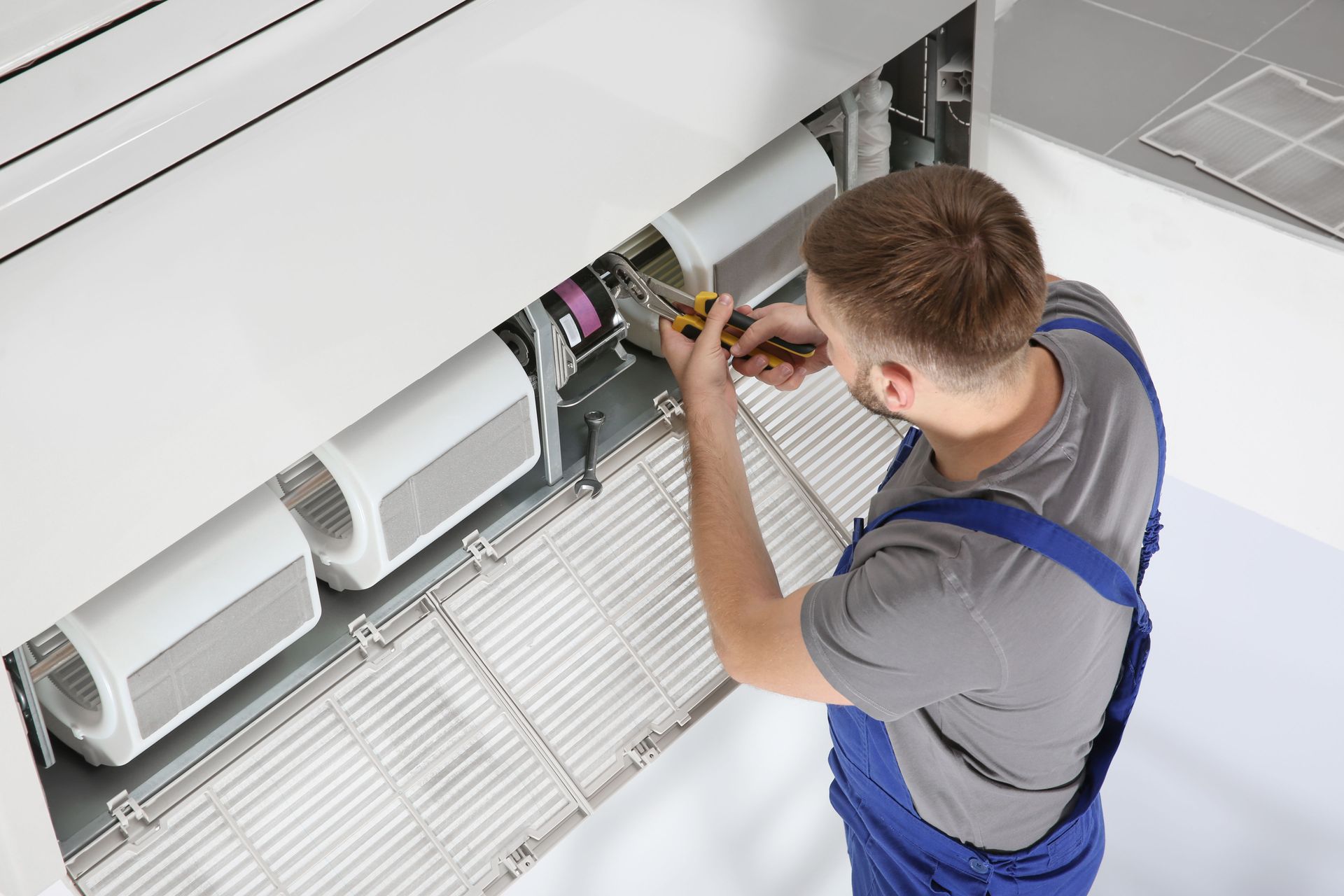
Energy consumption is another concern. Refrigeration systems are more power-intensive than standard vending machines, which can increase operational costs over time. Businesses often depend on commercial refrigeration service technicians to optimize system performance, clean components, and ensure compressors are running efficiently.
Temperature fluctuations present another risk. Even small deviations can compromise food safety, especially for perishable items. Without regular commercial refrigeration service, these fluctuations can go unnoticed until products are already affected, resulting in financial loss and potential compliance issues.
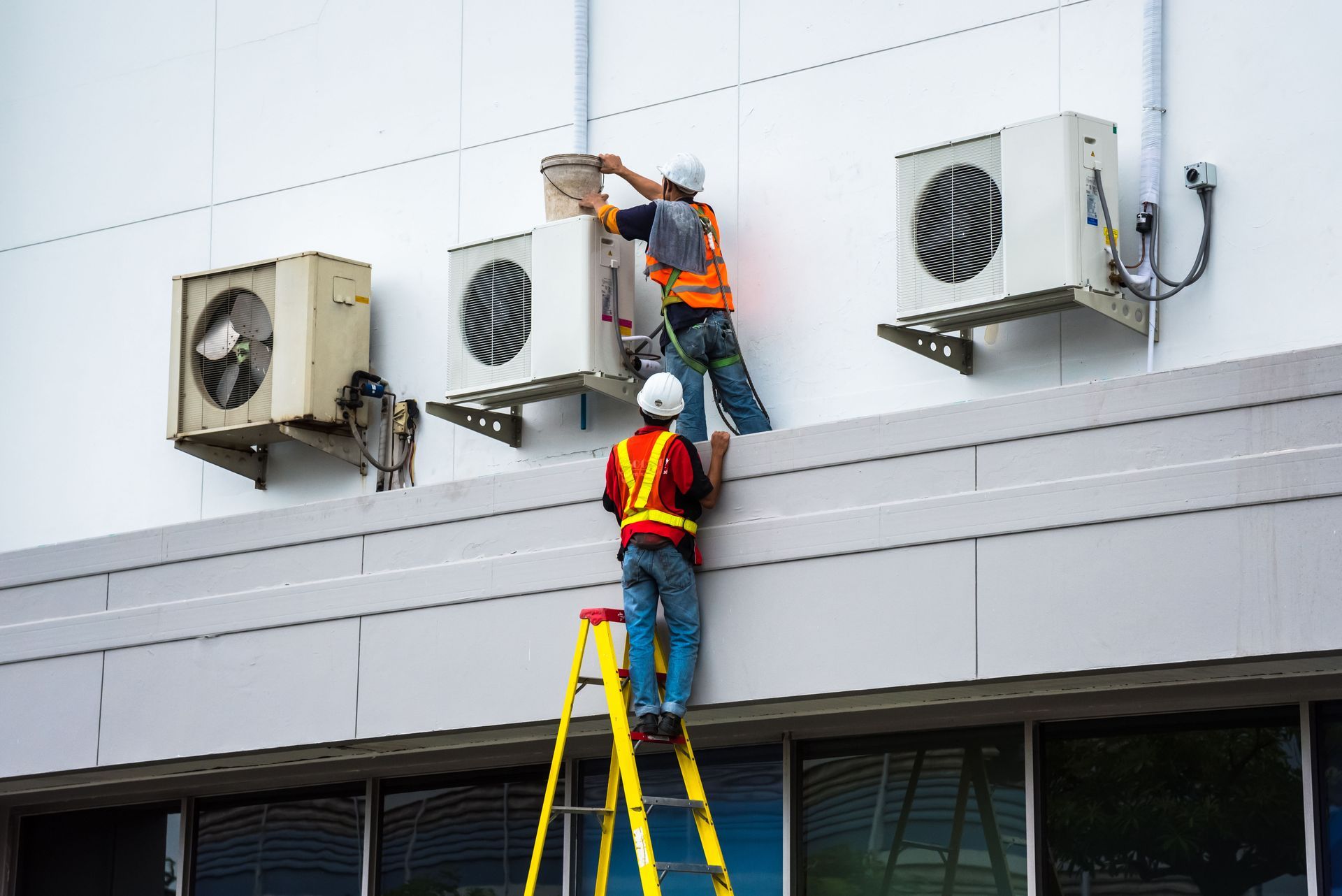
Maintenance logistics can also be challenging, particularly for operators managing multiple machines across different locations. Coordinating timely commercial refrigeration service across a distributed network requires planning and consistency to avoid downtime.
How Does Advanced Technology Impact Refrigerated Vending Machines?
Technological advancements have significantly improved the functionality and efficiency of refrigerated vending machines. Modern units often include smart sensors, IoT connectivity, remote monitoring, and automated alerts that notify operators of temperature changes or mechanical issues in real time.
These innovations allow businesses to respond quickly to problems before they result in product loss. However, despite these improvements, physical systems still require hands-on commercial refrigeration service to maintain compressors, fans, and cooling coils that digital systems cannot repair or replace.
Predictive maintenance is another major advancement. By analyzing usage patterns and system performance, operators can schedule commercial refrigeration service before breakdowns occur, reducing downtime and extending equipment lifespan.
Cashless payment systems and touchscreen interfaces have also improved customer interaction, making machines easier to use and more appealing in high-traffic environments. Still, all of these features depend on stable cooling infrastructure maintained through consistent
commercial refrigeration service.
Refrigerated vending machines are reshaping how businesses deliver food and beverage options in fast-paced, convenience-driven environments. Their growth is supported by evolving consumer behavior, technological innovation, and expanding market demand. As highlighted by Future Market Insights Inc, the sector is expected to nearly double in value from USD 7.0 billion in 2025 to USD 14.4 billion by 2035, underscoring its long-term potential.
At the center of this growth is operational reliability. Businesses depend on commercial refrigeration service not only to maintain equipment performance but also to ensure food safety, energy efficiency, and customer satisfaction. As adoption continues to expand, this service will remain a critical backbone of the industry’s success. If you're looking for refrigerated vending machines, reach out to the team at Refrigeration Plus LLC today!