May 5, 2026
When was the last time you thought seriously about your building's HVAC system? For many Colorado Springs business owners, the answer is "only when something went wrong." That reactive mindset is understandable — running a business leaves little time for evaluating mechanical infrastructure. But the truth is that aging, inefficient HVAC systems silently chip away at your bottom line every single day, driving up energy bills, compromising air quality, and putting your operations at risk of costly disruptions.
Modern HVAC systems have advanced dramatically in recent years, offering commercial property owners smarter, more efficient ways to manage their buildings. Whether you operate a restaurant, manage a large commercial facility, or run a food service business, understanding the value of updated heating, ventilation, and air conditioning equipment is critical. Staying current with commercial HVAC repair and system upgrades isn't just about comfort — it's about keeping your business competitive.
Reducing Energy Costs and Operational Expenses
Energy is one of the largest ongoing expenses for any commercial property, and your HVAC system is typically one of its biggest consumers. Older systems — particularly those more than 10 to 15 years old — were not designed with today's efficiency standards in mind. They work harder to deliver the same results, consume more power in the process, and drive up utility costs month after month. Over time, those excess costs add up to a significant financial burden that newer equipment could eliminate.
According to Fact.MR, commercial property owners and facility operators are under growing pressure to improve energy efficiency and indoor air quality while managing increasingly complex building performance demands. Modern HVAC systems typically deliver energy cost reductions of 30 to 50% compared to aging alternatives, making equipment upgrades a strategic necessity for businesses looking to stay operationally competitive. That kind of savings doesn't just improve your monthly budget — it repositions your business for long-term financial health.
Much of this efficiency gain comes from features that older systems simply don't have. Variable-speed motors, for example, adjust output based on real-time demand rather than cycling on and off at full power. Smart thermostats and building automation controls allow facility managers to fine-tune performance across different zones, times of day, and seasonal conditions. These technologies work together to eliminate waste without sacrificing comfort.
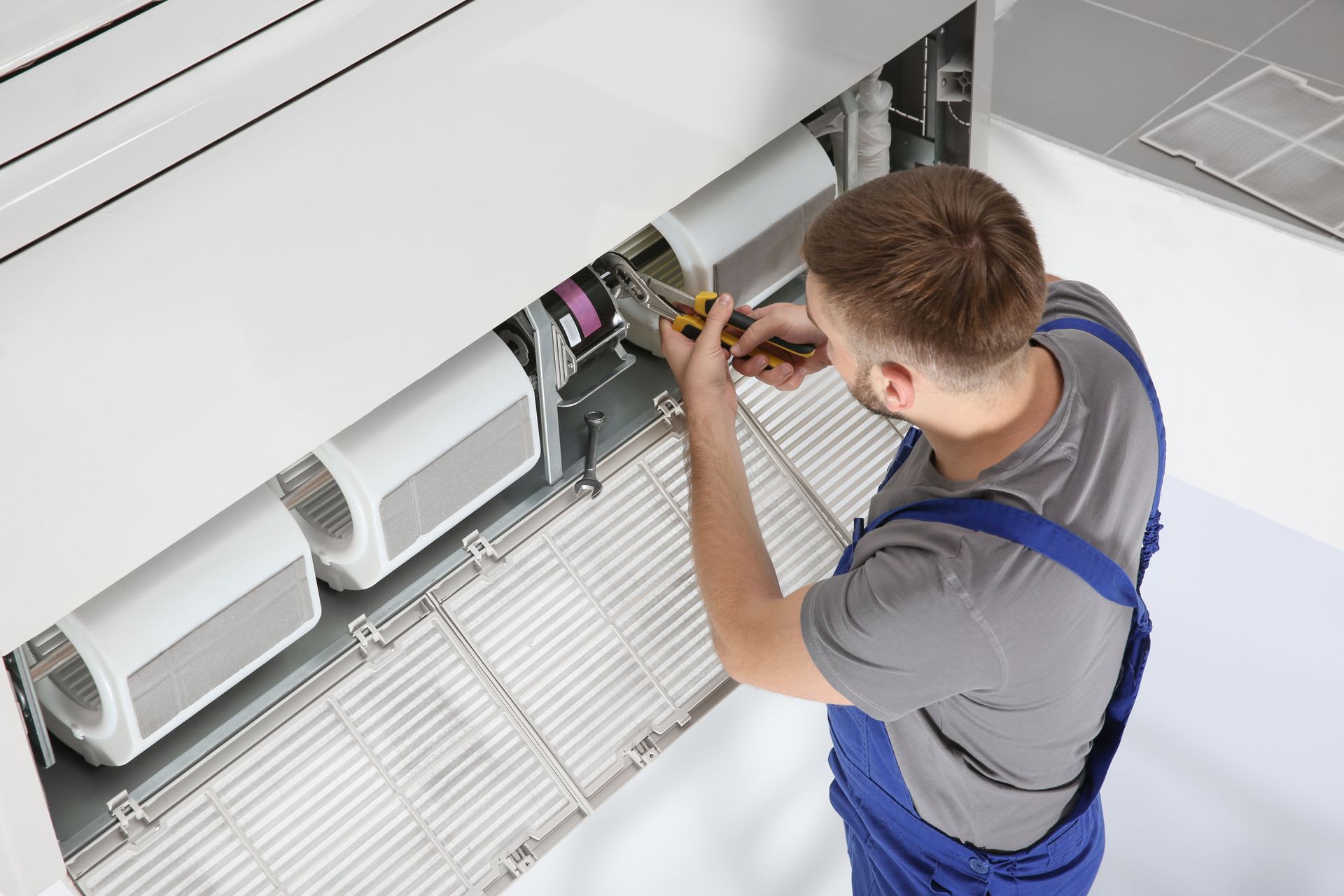
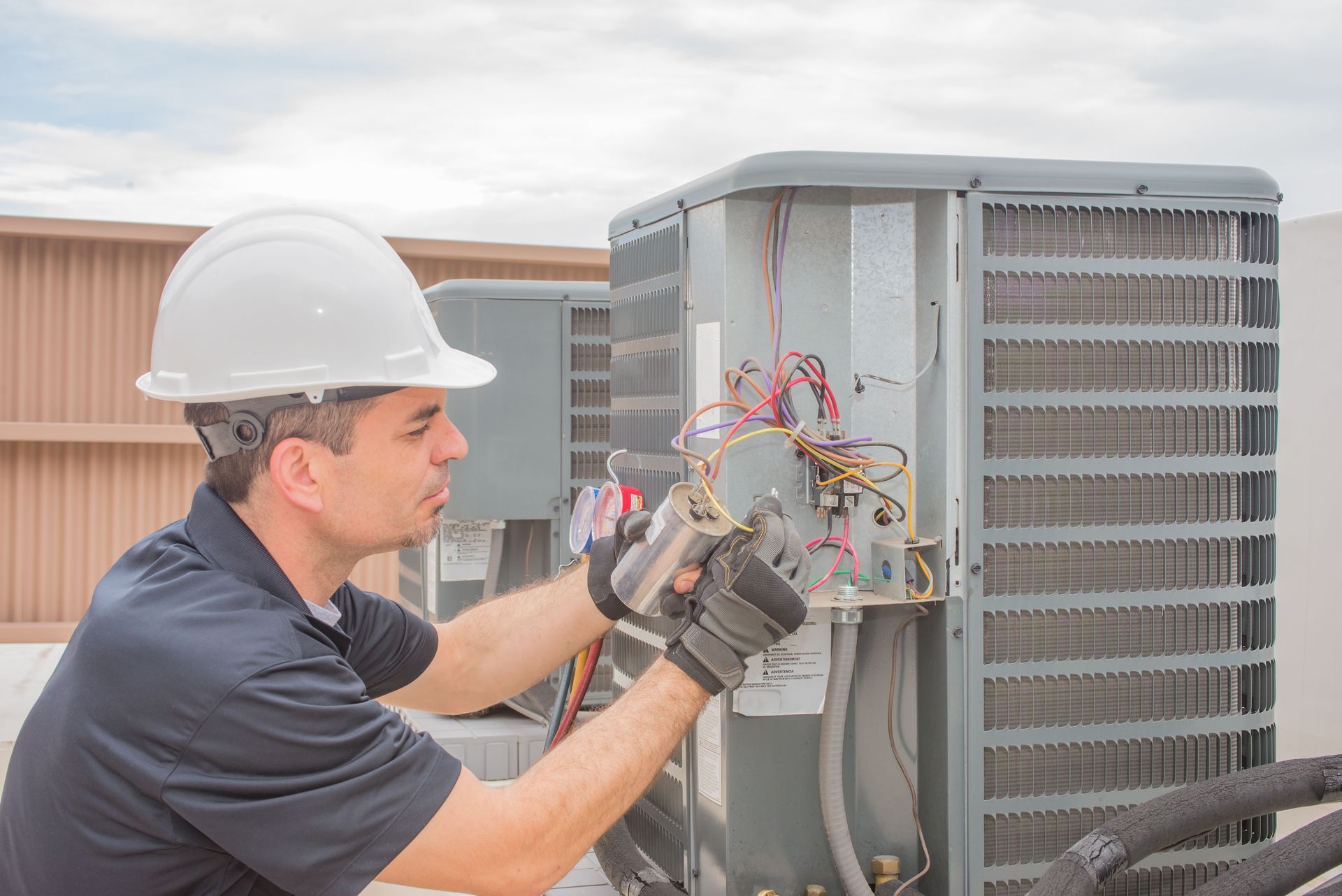
It's also worth noting that efficiency isn't only about the equipment itself — it's about how well that equipment is maintained. Routine commercial HVAC repair and scheduled servicing keep modern systems running at their intended performance levels. Dirty coils, worn components, and refrigerant leaks all force systems to work harder than necessary, eroding the efficiency advantages that newer equipment provides. Staying on top of commercial HVAC repair is what turns a smart equipment investment into lasting operational savings.
Regulating Indoor Air Quality and Employee Comfort
Temperature control is the most visible function of a commercial HVAC system, but it's far from the only important one. Modern systems also play a central role in managing ventilation and air filtration — factors that directly affect the health, comfort, and productivity of everyone inside your building. For Colorado Springs businesses that serve customers or employ staff in enclosed spaces, indoor air quality isn't a secondary concern. It's a core part of operating responsibly.
Poor air quality in commercial buildings can contribute to a range of problems: increased sick days among employees, discomfort for customers, and, in some cases, regulatory concerns around workplace safety. Stale air, excess humidity, airborne allergens, and pollutants from cooking or industrial processes can all accumulate in spaces with inadequate ventilation. Modern HVAC systems address these issues through advanced filtration components, UV air purification options, and precision humidity control that older systems are not equipped to provide.
For businesses in food service, healthcare, or any industry where sanitation standards are critical, this distinction matters enormously. A system that actively filters and purifies the air doesn't just make a space more pleasant — it creates a measurably healthier environment that supports both staff performance and customer confidence.
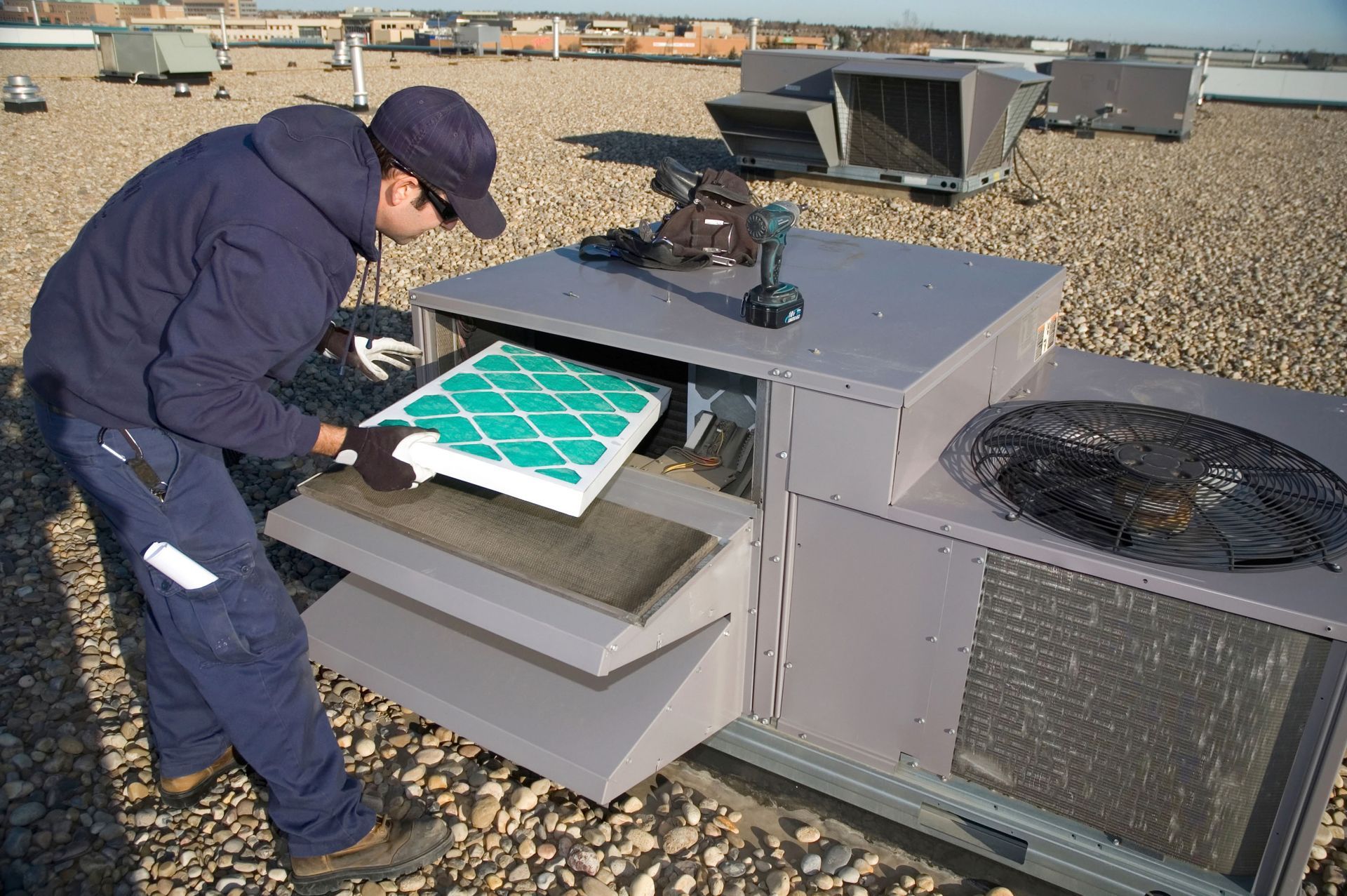
Of course, even the most advanced air quality features are only effective when the system behind them is functioning correctly. Neglected equipment — clogged filters, failing fans, deteriorating ductwork — undermines every air quality benefit modern HVAC design has to offer. That's why consistent commercial HVAC repair is so closely tied to indoor air quality outcomes. Keeping components clean, calibrated, and in good working order is what allows your system to do its full job. Businesses that treat commercial HVAC repair as a routine priority, rather than an emergency response, tend to maintain far better indoor environments over time.
Reducing System Failures and Unplanned Downtime
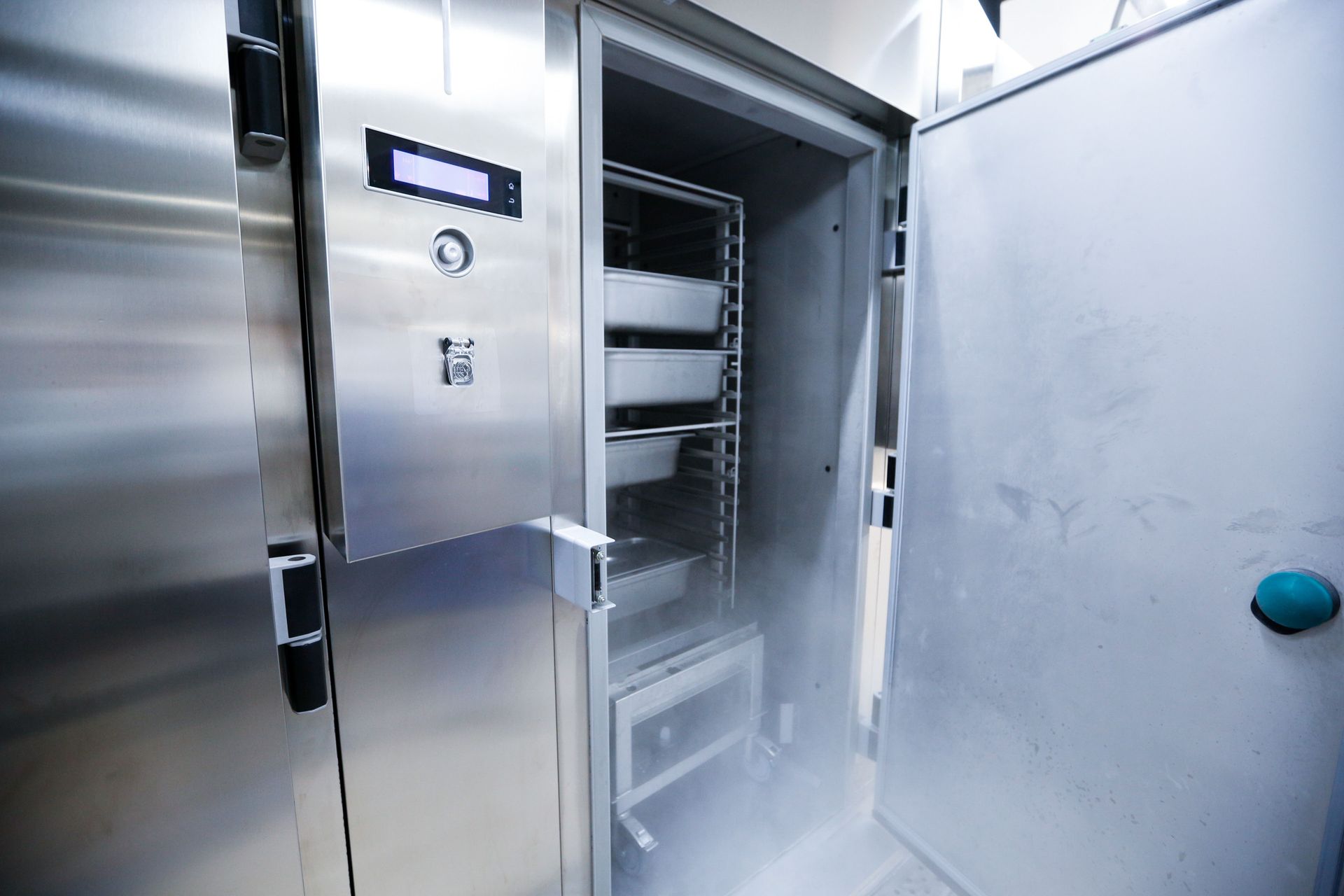
Few things disrupt a business operation more abruptly than a complete HVAC failure. For a restaurant, it can mean closing the dining room on a busy evening. For a facility with walk-in coolers or refrigerated storage, it can mean compromised inventory and significant financial loss. For any business serving the public, it can mean turning away customers on the very day they walk through your door. Unplanned downtime is expensive in ways that go beyond the immediate repair bill — it affects revenue, reputation, and customer trust.
Modern HVAC systems are engineered with this risk in mind. Many newer units include built-in diagnostic capabilities that continuously monitor system performance and flag anomalies before they escalate into full failures. Sensors can detect irregular pressure levels, unusual temperature fluctuations, or components operating outside their normal parameters — giving facility managers warning and time to act. This kind of predictive visibility was simply not available in earlier generations of commercial equipment.
Paired with proactive commercial HVAC repair and a consistent maintenance schedule, these diagnostic features dramatically reduce the likelihood of sudden breakdowns. Rather than waiting for a system to fail before calling for service, businesses can address developing issues during planned service windows — minimizing disruption and avoiding the premium costs associated with emergency repairs. For Colorado Springs businesses that depend on 24/7 operations, that kind of reliability is invaluable.
This is especially true for businesses in the food service industry, where HVAC performance intersects directly with refrigeration, kitchen ventilation, and food safety compliance. When heating, cooling, and air quality systems are all maintained proactively, the risk of cascading failures is significantly reduced. Warranties on newer equipment add another layer of protection, covering parts and labor costs that would otherwise fall entirely on the business owner. Taken together, modern systems and consistent commercial HVAC repair create an operational environment where unexpected failures become the exception rather than the rule.
The case for modernizing your commercial HVAC system comes down to three things: lower energy costs, healthier indoor environments, and fewer unplanned disruptions to your operations. Each of these benefits is meaningful on its own, but together they represent a significant competitive advantage for businesses willing to invest in their infrastructure. Staying current with
commercial HVAC repair and system upgrades is one of the most practical decisions a Colorado Springs business owner can make for the long-term health of their facility and their bottom line.
If you're ready to take a closer look at what your HVAC system is doing for your business, Refrigeration Plus LLC is here to help. Serving the Colorado Springs community since 1978, Refrigeration Plus LLC brings over 20 years of hands-on commercial experience, 24/7 availability, and 30-day warranties to every job. Contact Refrigeration Plus LLC today to schedule an assessment and find out how the right HVAC solution can protect your operations, your people, and your investment all year long.