March 2, 2026
Understanding the necessity of maintaining commercial HVAC systems is crucial for business operations. These systems are integral to the comfort and safety of a workplace, impacting not only the well-being of employees but also the efficiency of business operations. This article explores why partnering with a proficient commercial HVAC repair company is vital for businesses. A focus on regular maintenance and timely repairs can prevent major breakdowns and enhance the overall climate control within a facility. Moreover, a growing HVAC industry presents new opportunities and challenges in system management and maintenance.
Components of Commercial HVAC Systems
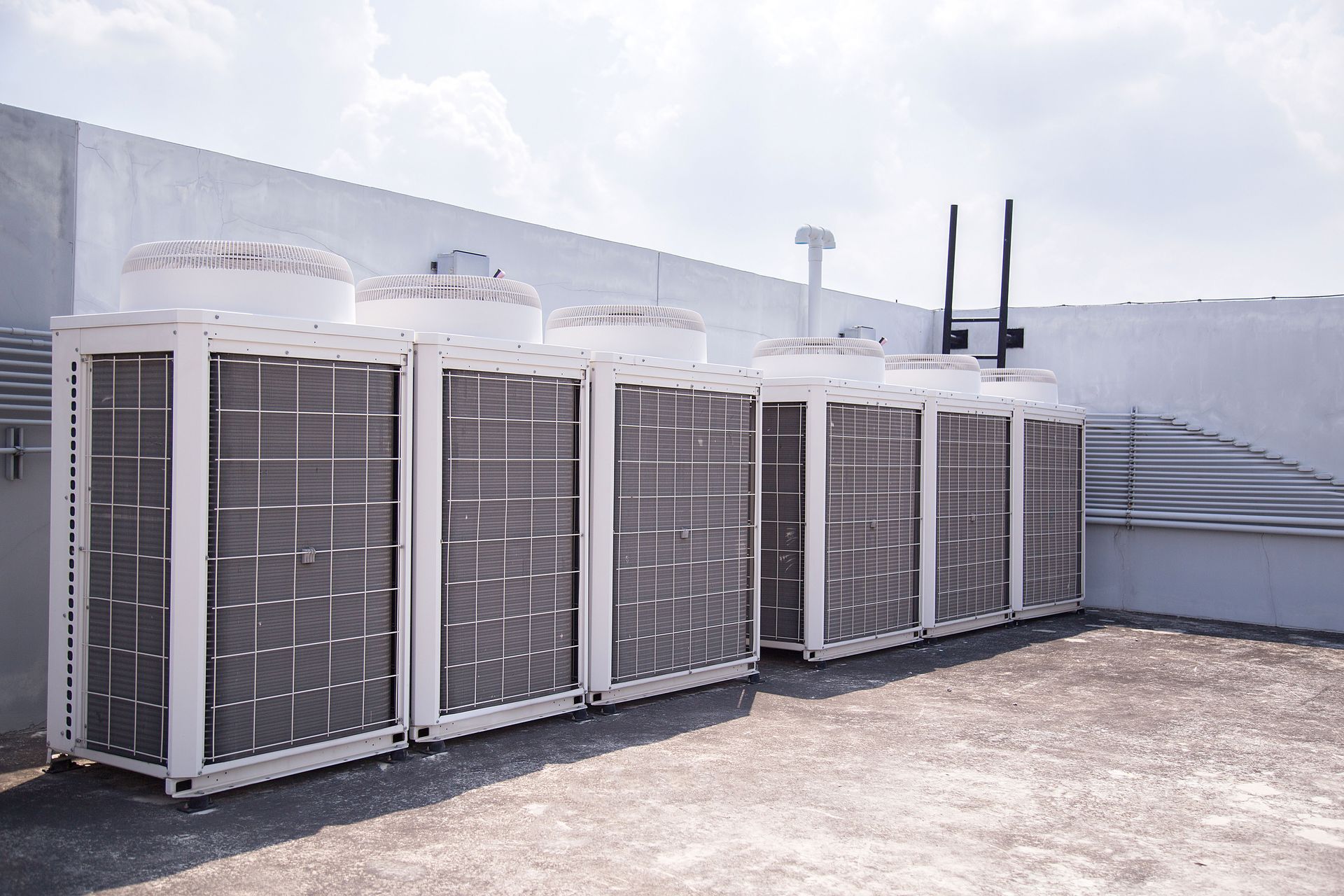
Commercial HVAC systems are composed of several key components, including air conditioning units, heating units, ventilation systems, and thermostats. These individual units work together to regulate temperature, air quality, and humidity throughout large buildings such as offices, malls, and industrial spaces. The integration of these components requires special knowledge to ensure they function seamlessly as a cohesive unit. Professional HVAC technicians are trained to understand the complexities of these systems, managing both the installation and routine maintenance. Regular checks ensure that each component operates efficiently, minimizing the risk of system-wide failures.
The complexity of commercial HVAC systems makes it necessary to engage trained professionals for installation and maintenance. Unlike residential HVAC systems, commercial ones are usually much larger and cater to spaces that have variable occupancy levels. The difference in design and scale means that commercial systems must be more versatile and robust. Technicians must have a deep understanding of these intricacies to perform effective repairs and routine checks. Therefore, hiring a professional repair company can ensure that the systems remain operational without unexpected breakdowns.
Keeping abreast with technological advancements with a commercial HVAC repair company is also crucial when managing HVAC systems. Innovations in smart technology and energy management are constantly being integrated into modern HVAC systems. This calls for ongoing training and updates for technicians to remain proficient in handling these advanced systems. Collaborating with a well-established HVAC repair company can provide businesses with access to skilled technicians who understand both traditional and modern HVAC setups. This expertise can lead to optimizations that reduce energy consumption and improve overall system efficiency.
Key Functions and Operations
The primary functions of commercial HVAC systems are to provide heating, ventilation, and air conditioning to large spaces. These systems ensure consistent climate control, which is critical for maintaining employee comfort, productivity, and equipment safety. Moreover, HVAC systems play a pivotal role in regulating indoor air quality, filtering out pollutants, and maintaining airflow. Understanding the operations of these systems allows businesses to anticipate maintenance needs and optimize performance. Regular inspections are essential to identify potential problems and to ensure systems are running efficiently and compliantly with health and safety standards.
Climate control is achieved through a combination of heating units, cooling mechanisms, and ventilation systems. During colder months, heating is supplied via furnaces or heat pumps, which distribute warm air through an extensive network of ducts. In contrast, air conditioning units deployed during warmer months cool down the internal environment. Meanwhile, ventilation systems are critical in maintaining healthy air circulation and preventing the buildup of harmful indoor air pollutants. By coupling ventilation with temperature control, HVAC systems contribute to a healthier work environment, which is essential for overall employee productivity and well-being.
The maintenance of these systems also involves monitoring and managing critical factors such as humidity levels and energy efficiency. Optimal humidity control helps prevent issues such as mold growth and dry air, which can both affect equipment and human health. Integration with smart thermostats and energy-management systems can provide significant boosts in efficiency, reducing costs and environmental impact. To maximize these benefits, partnering with a knowledgeable commercial HVAC repair company is imperative. Such companies ensure that the systems not only perform optimally but also contribute to sustainable business operations.
Common Problems in Commercial HVAC Systems
Commercial HVAC systems, while robust, can face various problems that impede their efficiency and performance. One common issue is poor airflow, which is often caused by blockages or leaks in the ductwork. This can lead to uneven heating or cooling, discomfort, and increased energy bills. Refrigerant leaks are another challenge, resulting in insufficient cooling and potential environmental hazards. Routine inspections and maintenance are crucial to identify and rectify such problems before they escalate, ensuring systems remain operational and cost-effective.
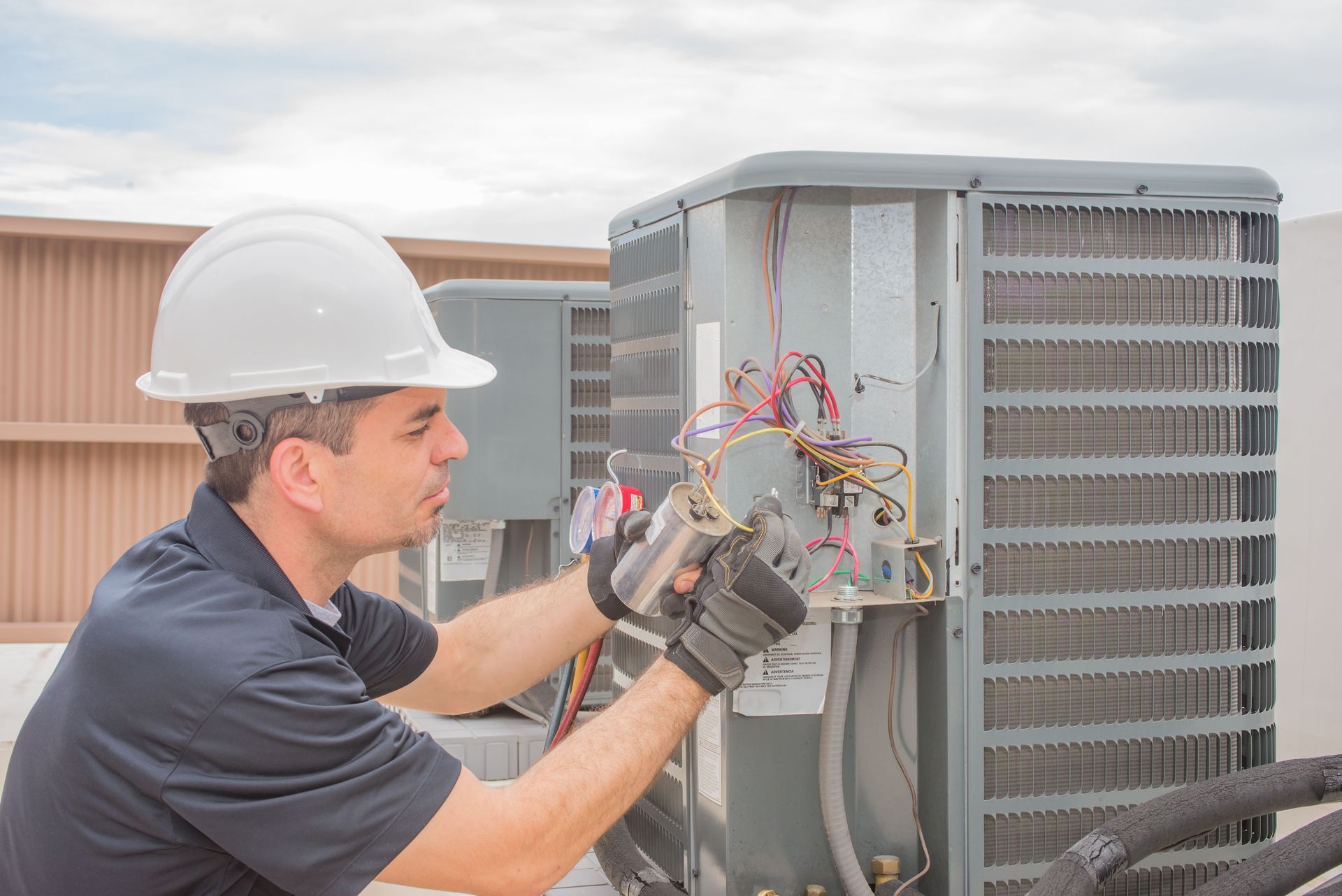
Electrical issues, such as malfunctions in thermostats or circuit boards, can disrupt system functionality and even pose safety risks. Such problems may require rapid diagnoses and repairs to prevent extended periods of downtime. Additionally, wear and tear of mechanical components like fans and belts can lead to sporadic system failures if not promptly addressed. These issues underscore the importance of regular maintenance schedules, which qualified HVAC repair companies can provide. Through preventive measures, many of these common problems can be mitigated or altogether avoided.
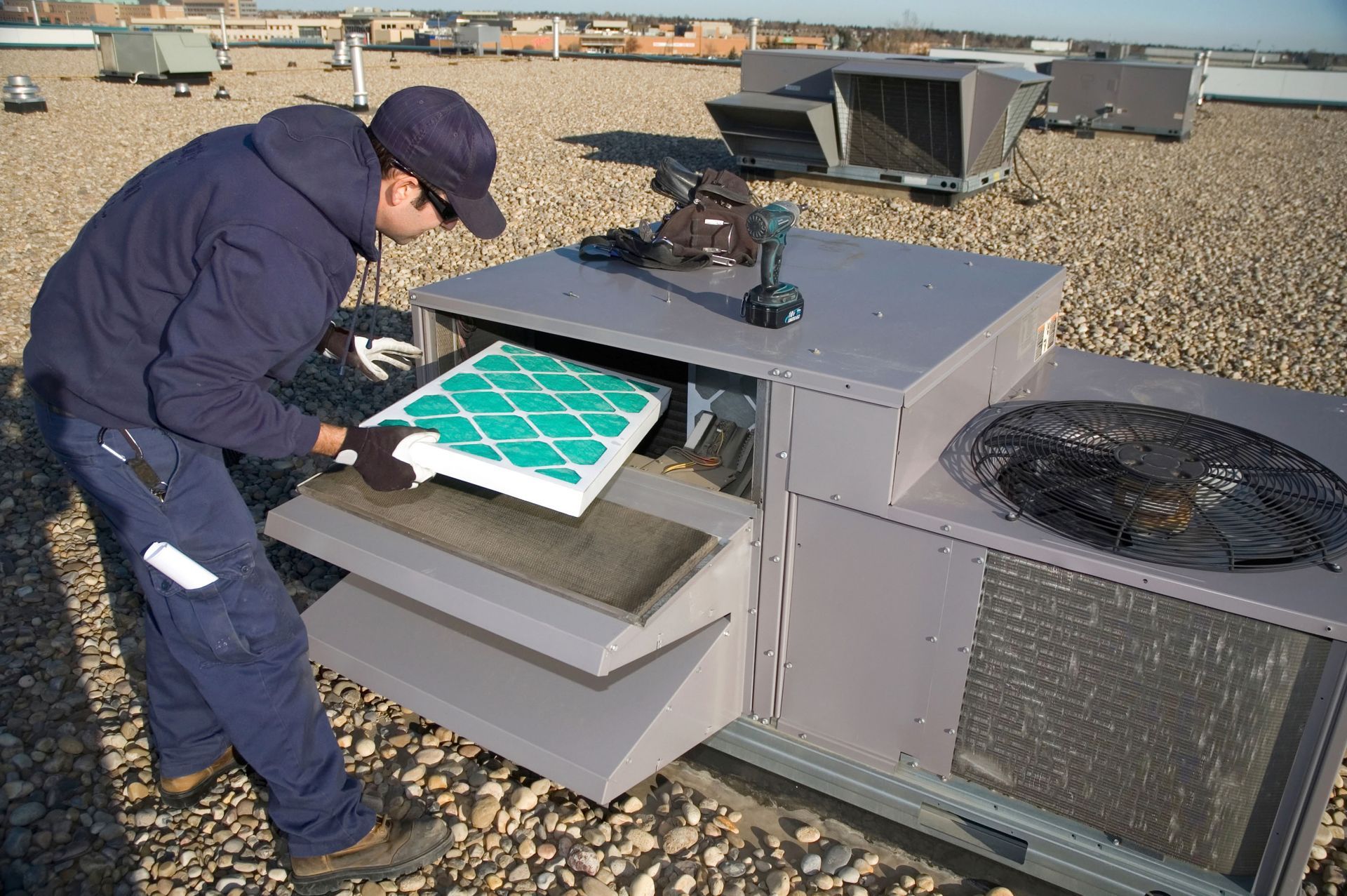
Another frequent problem is poor indoor air quality, stemming from dirty filters or inadequate ventilation. Accumulated dust and debris can severely compromise air quality, leading to health problems for building occupants. Regular filter replacement and ventilation checks are necessary to maintain healthy environments. Given the potential health implications, such tasks should be entrusted to an experienced commercial HVAC repair company. By implementing comprehensive maintenance programs, businesses can achieve not only cleaner air but also more efficient and reliable HVAC operations.
The Importance of Regular Maintenance
Finally, regular maintenance is essential for the longevity and efficiency of commercial HVAC systems. Through proactive service, businesses can prevent costly breakdowns and optimize energy usage. Scheduled inspections allow technicians to identify potential issues early, minimizing disruption and extending the lifespan of the system. Moreover, keeping HVAC systems well-maintained ensures compliance with industry regulations and standards, which can protect a business from legal repercussions. Partnering with a reputable repair company can provide structured maintenance plans tailored to the specific needs of a building's HVAC system.
Preventive maintenance plans typically include tasks like cleaning, lubrication, calibration, and the inspection of electrical and mechanical components. This comprehensive approach not only improves reliability but also enhances system performance. Importantly, regular maintenance fosters a comfortable environment, sustaining employee productivity and satisfaction. Additionally, well-maintained systems operate more efficiently, leading to energy savings and a reduced carbon footprint. With the global HVAC systems industry forecast to grow at a compound annual growth rate (CAGR) of 6.4% from 2024 to 2031, according to Benchmark International, the efficiency gains present a strategically valuable prospect for businesses.
Many businesses implement contract-based maintenance services to ensure consistent attention to their HVAC systems. These services offer peace of mind, knowing that experienced professionals are managing the regular upkeep of critical climate control systems. A planned maintenance schedule reflects a proactive and forward-thinking approach to building management. By prioritizing regular care and early detection of potential issues, businesses can make informed decisions that result in both short-term and long-term benefits. Overall, the systematic upkeep of HVAC systems is indispensable for sustaining operational excellence and leveraging business growth.
Commercial HVAC systems are fundamental to maintaining a safe, comfortable, and productive business environment. Their complexity and scale demand professional expertise for proper installation, maintenance, and repair. By partnering with a trusted commercial HVAC repair company, businesses can address common issues early, improve energy efficiency, and extend system lifespan. Regular maintenance not only reduces the risk of costly breakdowns but also supports regulatory compliance and sustainability goals. For a commercial HVAC repair company, contact us at Refrigeration Plus LLC today.